
Afro-Cuban Abakua Societies in Cuba
Photo Feature by Elio Delgado
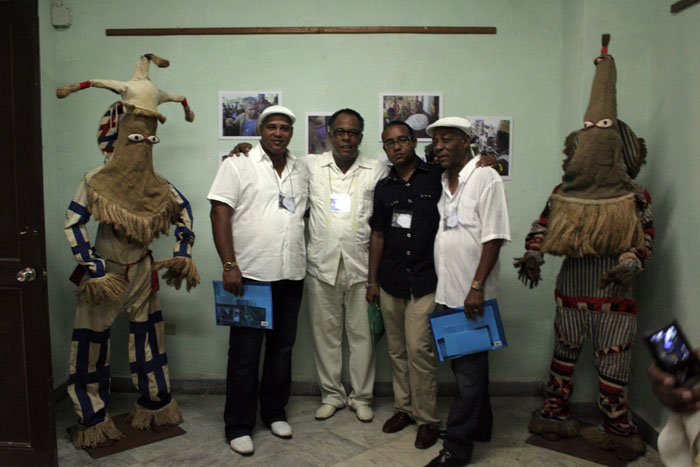
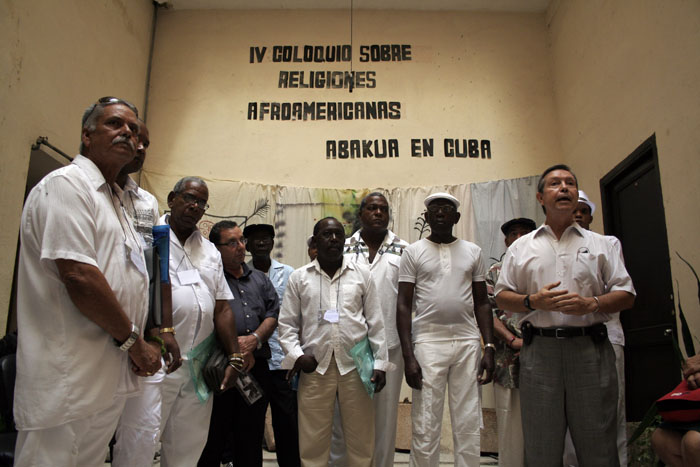
HAVANA TIMES, May 30 — The Fourth Colloquy on African-American Religion was held in Havana last week, this year dedicated to the Afro-Cuban Abacua fraternal society in Cuba.
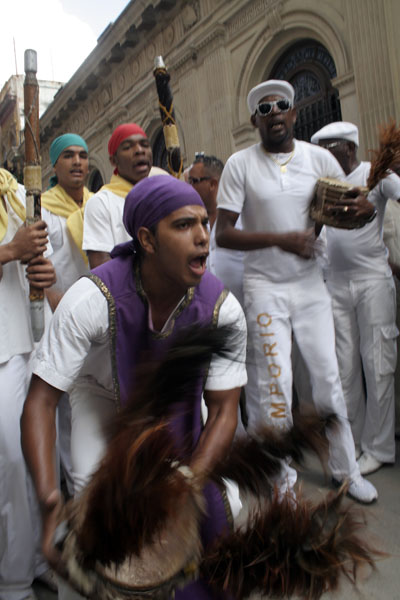
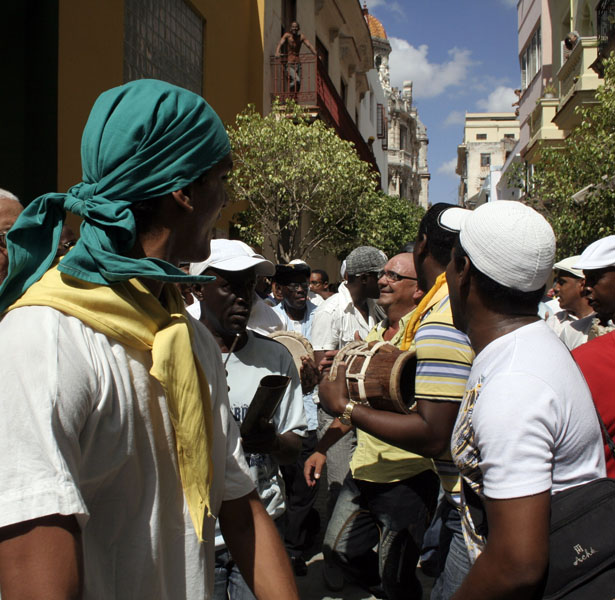
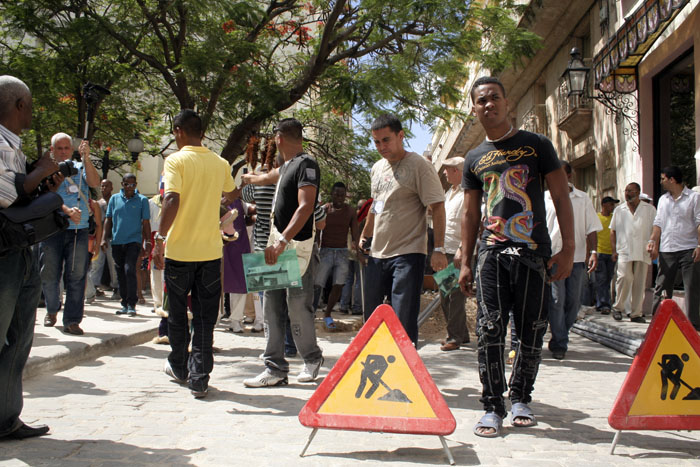
On this occasion, and for the first time, a procession was carried out by members of the society, who marched from the site of the colloquy at the Cuban Institute of Anthropology and proceeded down several blocks through Old Havana until they arrived at the House of Africa Museum.
The opening words of the colloquy were delivered by Dr. Jesus Guanche, an anthropologist with the Fernando Ortiz Foundation (an institution dedicated to anthropological research).
The Abakua society was created in Cuba as a secretive mutual aid fraternity. When it began, the majority of its members were black dock workers, mainly negros de nación (African-born slaves brought from Africa). This tradition was subsequently passed down to their descendants, Creole blacks, though by the 20th century white men were also allowed to join the fraternal order (one characteristic of the Abacua societies was that women are not admitted.)
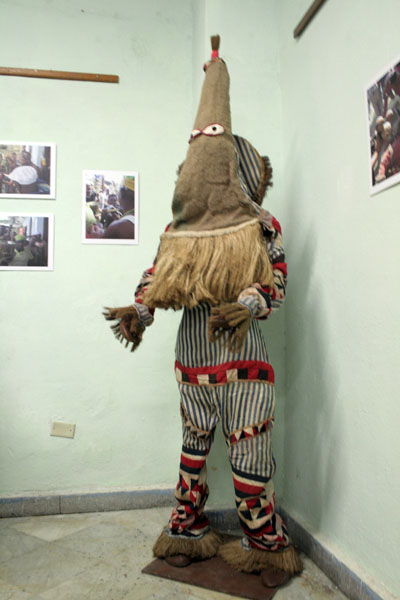
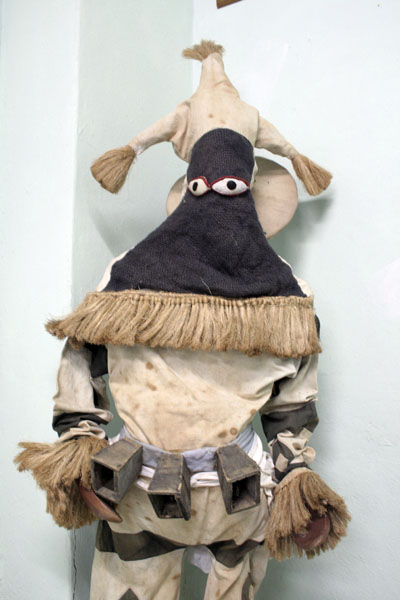
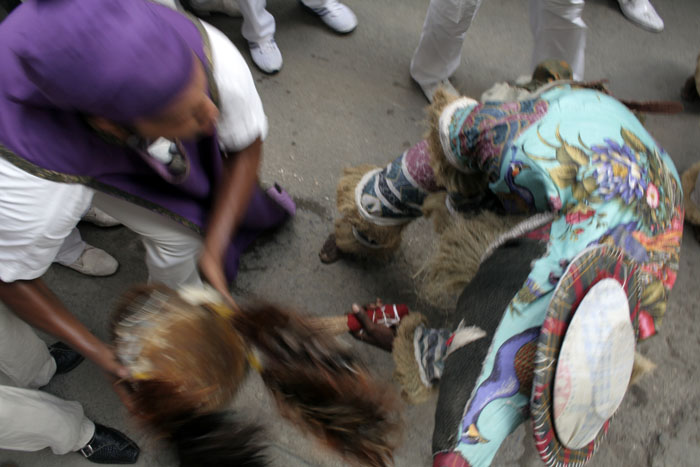
In the rites of the Abakua societies, the “ireme” (or devils) intervene with the mythological function of testifying as to whether all of the rites are carried out correctly. To guide them, the Ireme needs a person called a “Morua,” who sings to them in the Nigerian Efik language.
Click on the thumbnails below to view all the photos in this gallery. On your PC or laptop, you can use the directional arrows on the keyboard to move within the gallery. On cell phones use the keys on the screen.

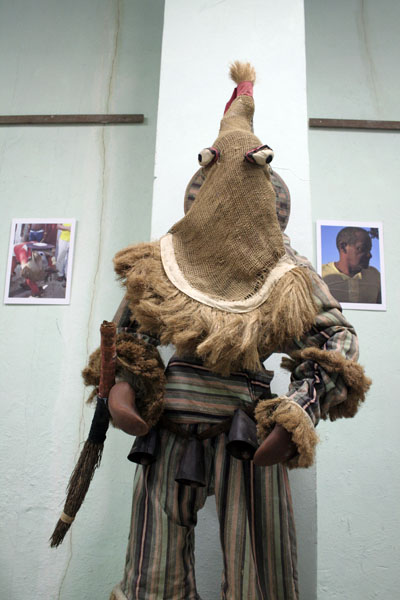
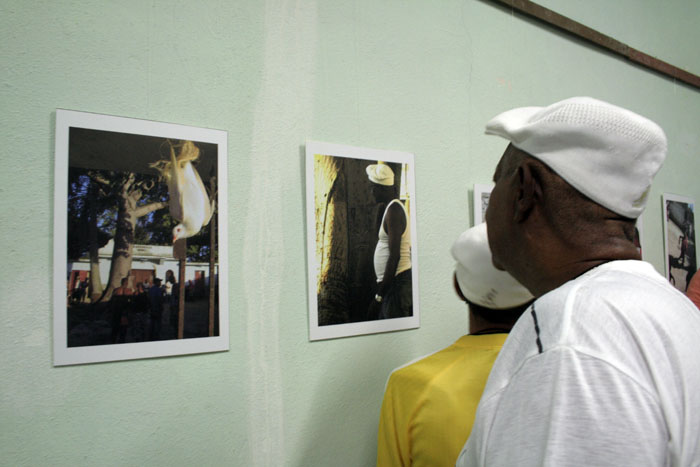
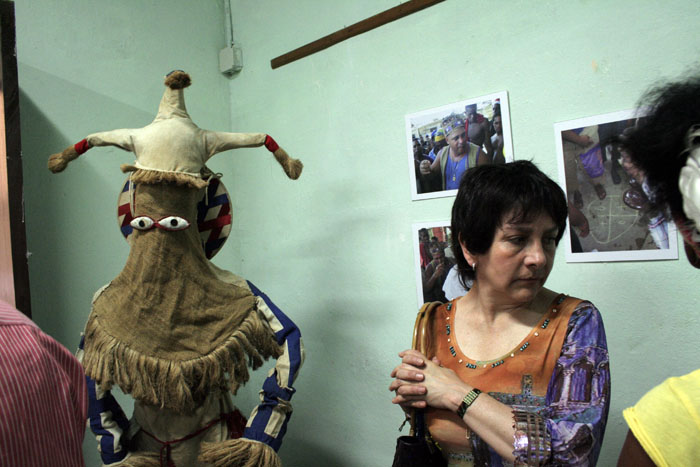
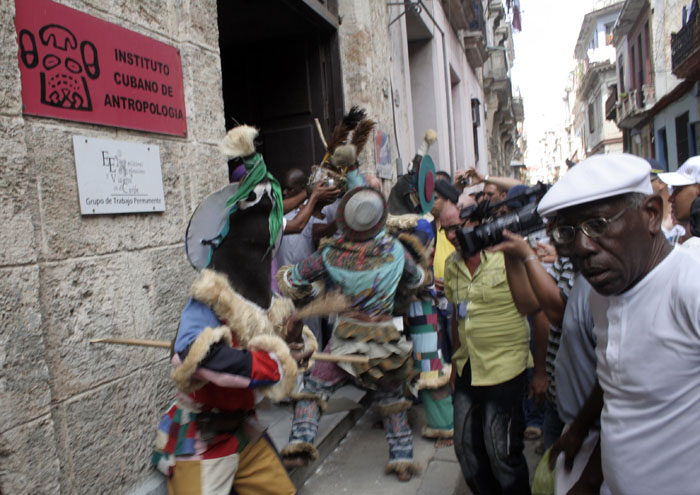

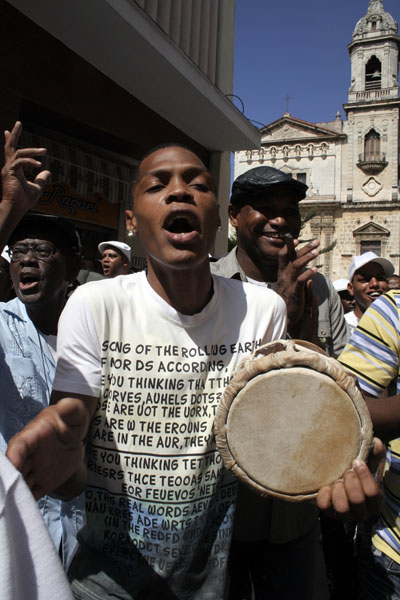
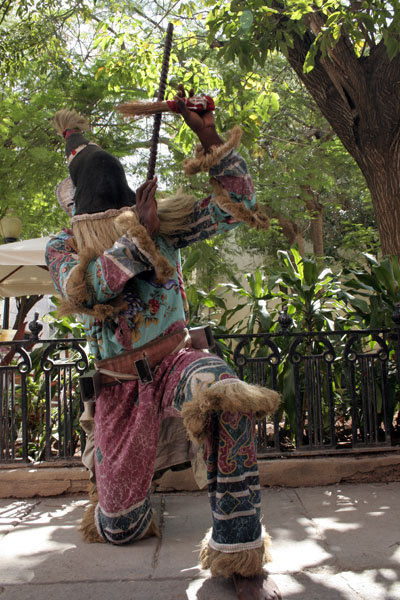
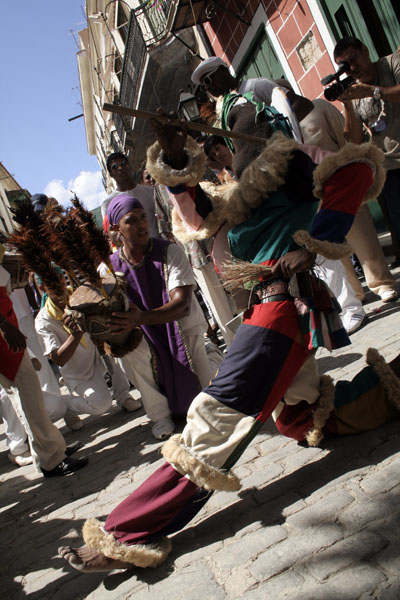
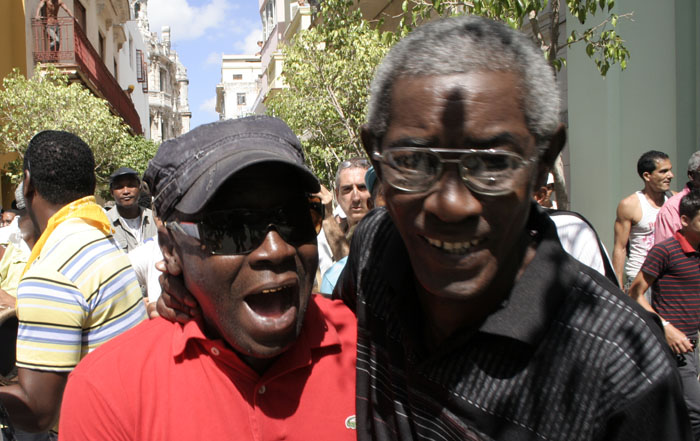
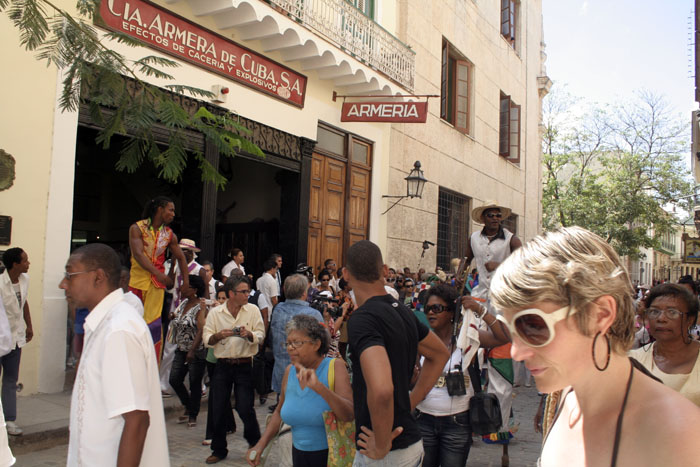

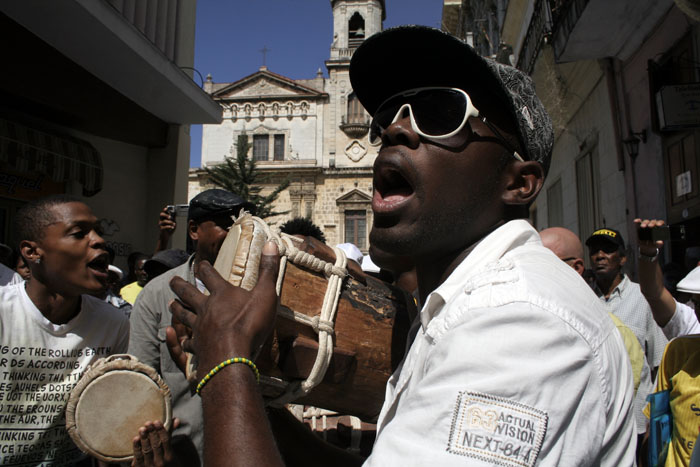
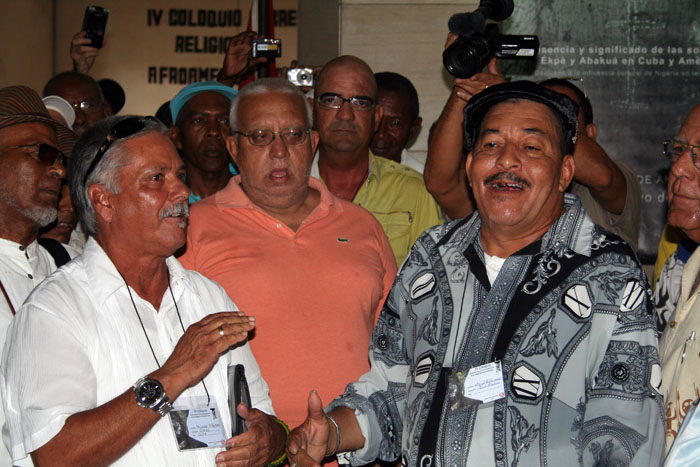
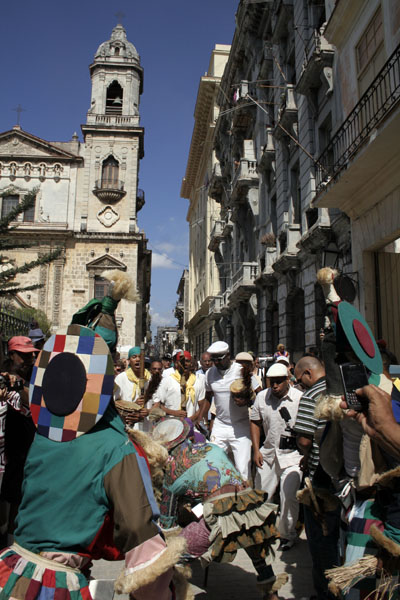

It is always a joy for people of African-descent, especially, to see the amazing preservation and survival of African culture in Cuba.
Thanks to the right-wing Cuban exile in Florida, however, even the culture of Cuba remains subject to the blockade, and whatever little we are exposed to of Cuba in the US remains at the whim of the ruling administration and its political calculations mindful of the Florida Cuban-American electoral vote. Thus in the 90’s under Clinton we saw some relaxation under the so-called “people-to-people” engagement policy and a great, popular interest in Cuban dance, and religion. This was followed by the 8-yr GOP / Baby Bush administration return to a “zero tolerance” policy for all things Cuban: severe restrictions on family remittances and travel to visas to Cuban artists and scientists.
Currently the moderate changes instituted by President Obama is permitting cultural exchanges to a fair extent. But who knows for how long and whether they will continue after the November 2012 elections?
Hopefully, Havana Times’s self-professed “open-minded writing from Cuba” will seek to be thoroughly inclusive and broad in content. I appeal directly to Circles Robinson, the founder, however, not to replicate the Afro-exotification menu of the US media which we are oversaturated with. Please, let us also be exposed to Afro-Cuban intellectuals, academics, scientists and professionals of all kinds – a group the official Cuban media does a poor job of presenting.